A Designer’s Take on "Pretend I’m a Lumberjack" for Embroidery
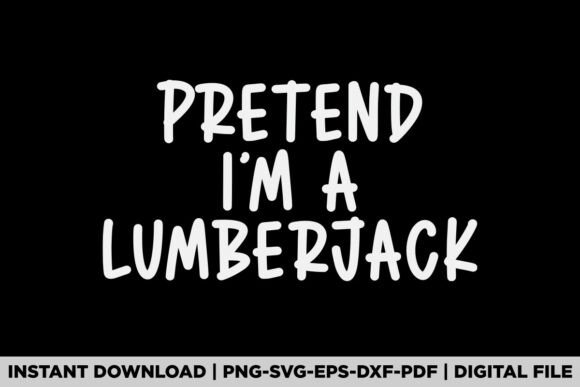
When I first opened the embroidery file for "Pretend I’m a Lumberjack," my immediate reaction was a smile. It’s a design that doesn’t shout; it invites. There’s a gentle, playful confidence in its theme—a kind of quiet, woodsy charm that feels both nostalgic and contemporary. As a designer who evaluates graphics for real project use, my first question is always: where does this belong in the real world? For this design, I pictured it stitched onto the pocket of a soft, heavyweight cotton sweatshirt. It’s not a loud graphic; it’s a character piece. The layout feels balanced, with enough detail to be interesting but not so dense that it becomes a stitching challenge on common fabrics. This is a design with personality, and that’s its greatest strength.
The Mood It Creates and Where It Naturally Fits
"Pretend I’m a Lumberjack" creates a mood of wholesome, approachable adventure. It’s not about being rugged; it’s about the aspiration, the playful role. This makes it incredibly versatile for gift-oriented projects and small business merchandise. I can see it perfectly on a child’s hoodie, a dad’s work apron, a cozy blanket in a cabin-themed nursery, or as the centerpiece on a canvas tote bag for a craft fair. Its visual personality is friendly and slightly rustic, which aligns beautifully with handmade product aesthetics. For an Etsy seller or boutique owner, this design adds value through its thematic appeal—it tells a little story, which customers connect with.
Performance in Real-Life Embroidery Projects
Let’s talk practical application. I mentally ran through a scenario of preparing a custom embroidered tote bag as a holiday gift. Using "Pretend I’m a Lumberjack" here would be a smart choice. On a sturdy canvas or cotton bag, the design would stitch out with clear definition. The likely mix of satin stitch for outlines and fill stitch for larger areas means it will have good visual weight without being overly heavy. For apparel decorators, this embroidery file feels ideal for mid-weight fabrics: think sweatshirts, t-shirts, aprons, and pillow covers. On a baby onesie, provided you use a soft stabilizer and perhaps size it down slightly, it would become a cherished personalized gift. As an embroidered patch applied to a cap, it would need careful attention to the curves, but the theme is a natural fit for that product.
For commercial embroidery projects or a craft business producing a line of kitchen towels or tea towels, this design offers good recognition. It’s memorable without being generic. In printable mockups for digital product sellers, it would present well, suggesting a finished product that looks professional and thoughtfully made. The key to its performance is understanding its scale. It’s not a micro-detailed graphic; it’s a statement piece that benefits from a generous hoop size to let all its elements breathe.
Where This Design Demands a Careful Approach
Every design has its considerations. With "Pretend I’m a Lumberjack," the areas for caution are typical for a graphic of this style. On very small hoop sizes, some of the finer details might lose clarity, especially if there’s small lettering involved. Stitching it onto thin or stretchy fabric, like a lightweight t-shirt, requires a robust stabilizer strategy to prevent puckering and maintain stitch integrity. Dark fabric backgrounds are a fantastic choice for this woodsy theme, but you must carefully review your thread color contrast—some elements might need a bright pop to stand out.
Textured fabrics, like certain blankets or sweaters, can obscure the design’s clean lines, so a test run is essential. When applying it to curved surfaces like caps, pay extra attention to the density; you want it to be flexible. Also, for products destined for frequent washing, such as baby clothes or kitchen linens, ensuring the stitch density is not too low (which can loosen) or too high (which can stiffen the fabric) is crucial for longevity and customer trust.
Impact on Visual Appeal and Business Value
From a business perspective, using "Pretend I’m a Lumberjack" effectively boosts several factors. Its stitching clarity, when executed well, directly enhances the product’s handmade presentation and perceived value. For a creative entrepreneur, it supports brand consistency if your shop leans toward rustic, familial, or adventure-themed goods. Its giftability is high—it’s a design that feels personal without requiring customization. This drives buyer engagement; people are more likely to purchase a finished product that evokes a feeling.
For professionalism in your embroidery projects, this design acts as a reliable asset. It’s not overly trendy or fleeting, which means it can remain in your product lineup for seasons. It engages customers because it’s relatable; who hasn’t pretended to be something grand? That connection turns a simple embroidered item into a conversation piece.
Practical Notes for the Embroidery Designer
Before you commit this to a client project or your small shop merchandise, here are my grounded, real-use notes. Always test the embroidery file on a scrap of your target fabric first. This reveals everything: how the stitch density behaves, whether any tiny details get lost, and how the thread colors you’ve chosen interact. Check it in both black and white digital mockups if you’re selling the design as a digital product asset, and compare how it would look on light and dark fabric backgrounds.
Confirm your hoop size. This design deserves space to shine. Use proper stabilizer for your specific fabric; don’t skip this step. Inspect the small details in the preview—are there corners or accents that might require a slower machine speed or a tweak in tension? Crucially, before selling any finished product or commercial embroidery project using this design, confirm the licensing terms. The product description suggests it’s for various occasions and recipients, but it doesn’t explicitly state commercial use. It is your responsibility to verify this with the designer or distributor.
Ultimately, "Pretend I’m a Lumberjack" is a superb opt, as the description says, for a wide range of people and projects. Its strength is in its thematic charm and balanced composition. For crafters, makers, and apparel decorators looking for a design that translates seamlessly from the digital file to a cherished, stitched finished product, this one holds real promise. Approach it with a practical eye, respect its needs on different fabrics, and it will become a dependable part of your embroidery project toolkit.