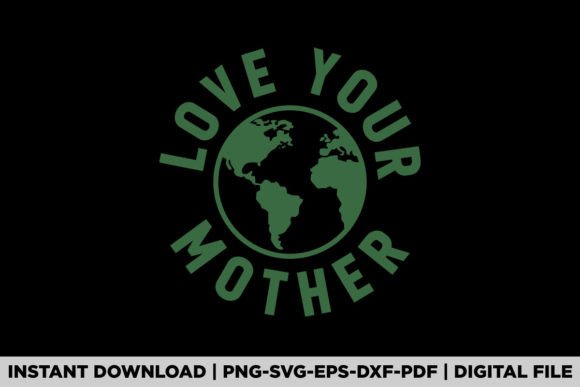
Evaluating Love Your Mother Earth Day for Real Embroidery Projects
As someone who stitches designs for clients, for my own small shop, and for gifts, I’ve learned that a design’s real value isn't in its description but in how it performs under the needle. When I look at the Love Your Mother Earth Day embroidery design, my first question isn’t about its theme—which is clearly heartfelt—but about how it translates into a tangible, stitched product on fabric. Let’s walk through what this means for you as a crafter, business owner, or hobbyist.
The Immediate Mood and Visual Personality
Opening the file, you get a sense of gentle celebration. This isn’t a loud, graphic shout; it feels more like a warm, inclusive reminder. The phrase “Love Your Mother Earth Day” suggests a design built for connection, not just decoration. For an embroidery project, that mood is crucial. It tells me this design belongs on items meant to be given or kept close—a personalized gift for a parent, a thoughtful tote for a friend who cares for the planet, or a cozy sweatshirt for everyday wear that carries a quiet message. The layout likely balances text with illustrative elements, creating a composition that feels complete without being overly dense. This visual personality makes it a superb candidate for what I call “relationship products”: items that strengthen a personal bond or express appreciation.
Where This Design Finds Its Natural Home
Let’s picture a real scenario. You’re preparing a custom embroidered tote bag for a Mother’s Day gift from a child to their grandma. You want something that feels special, handmade, and lasting. Love Your Mother Earth Day enters this picture perfectly. Stitched on a natural canvas tote, it becomes a usable, beautiful item with emotional weight. Similarly, on the breast of a soft, cotton sweatshirt, it transforms basic apparel into a personalized, meaningful garment. For baby clothes or nursery decor, provided the design’s scale is right, it could create a lovely, gentle theme for a little one’s space.
For commercial projects, like an Etsy listing for embroidered kitchen towels or a craft fair display of pillow covers, this design adds value through its universal appeal. It’s not tied to one holiday; it fits birthdays, Earth Day itself, or just a spontaneous “thank you” gift. As a digital embroidery file, its versatility is its strength. It can anchor a whole line of small shop products—from aprons to tea towels—creating brand consistency through a shared aesthetic of care and celebration.
Performance on Fabric: A Practical Judgment
How will it actually look after stitching? This is where a designer’s eye matters. Without knowing exact stitch counts, I consider typical challenges. Designs with text and potentially detailed accents need clarity. On light fabrics like cream linen or cotton, the thread colors will pop beautifully. On dark fabrics—a navy cap or a black sweatshirt—you must ensure the design has enough contrast and isn’t too fine to be lost. Always test on scrap fabric first, especially a piece of the final material.
Stitch density is a silent factor. If areas are too densely packed, they can stiffen a t-shirt or thin fabric. Conversely, if fill stitches are too sparse, the design might look weak. For items like caps with curved surfaces, or baby clothes made from stretchy fabric, the design’s outline and detail level must be robust enough to handle the contour and movement without distorting. Stabilizer choice becomes non-negotiable here.
Caution Zones: Where to Proceed Carefully
Some applications demand extra attention. If you’re thinking of a tiny embroidered patch or using a very small hoop size, inspect the small lettering and any decorative corners. Tiny details can become muddy if the machine embroidery design isn’t optimized for reduction. Textured fabrics, like a waffle-knit blanket, can break up fine lines. And for products destined for frequent washing—like a beloved kitchen towel or a child’s sweatshirt—the design’s integrity over time depends on stitch quality and thread choice. These are not drawbacks of this specific design, but universal considerations it invites you to remember.
Impact on Your Project’s Value and Appeal
Using Love Your Mother Earth Day isn’t just about placing a graphic; it’s about enhancing a product’s story. On a handmade item, it increases the perceived giftability and craftsmanship. A customer seeing this on a custom apparel item feels the thought behind it—it’s not generic. For your craft business, that builds customer trust and engagement. It shows you’re offering more than a commodity; you’re offering a sentiment.
Stitching clarity directly affects professionalism. A clean, well-executed rendition of this design on a tote bag or sweatshirt embroidery project speaks to your skill. It tells buyers you care about the finish. In printable mockups for your digital product listings, or on the actual finished product at a boutique, that clarity is your silent sales pitch.
Essential Designer Notes Before You Hoop Up
Before you run this embroidery file for a client order or your own merchandise, make a checklist. Review the design in black and white mockups to judge its form without color. Compare how it looks on light and dark fabric backgrounds digitally, if possible. Confirm the licensing terms—can you use it for commercial embroidery projects, or only personal? This is critical for Etsy sellers and digital product sellers. Check the recommended hoop size if provided, and always, always do a test stitch. This simple step saves thread, time, and fabric, and it reveals how the satin stitches, fill stitches, or running stitches truly interact with your material.
The Final Real-World Takeaway
Love Your Mother Earth Day strikes me as a design with emotional intelligence. It knows its role: to adorn items that mark connection. Its success in your hands depends on your practical embroidery wisdom—pairing it with the right fabric, the right stabilizer, the right product context. For a birthday gift apron, a holiday gift pillow cover, or a year-round boutique tea towel, it has the potential to stitch not just a graphic, but a feeling. That, in the end, is what turns a good digital design asset into a great finished product.